Most couples know their first dance song. Far fewer have planned the music for everything else: the first guests walking in, the grand entrance, dinner, the toasts, the cake, and the final song of the night. A wedding reception music timeline puts each of those moments in order and matches it with the right sound. It turns a pile of song ideas into a reception that flows. This guide walks through every stage, offers wedding reception songs and styles for each one, and explains how a professional DJ keeps it all moving.
Why Your Wedding Reception Needs a Music Timeline
A reception is a chain of moments, and music is what links them. Without a plan, you get awkward gaps, a dinner playlist that is too loud, or a dance floor that opens before anyone is ready. A wedding music timeline prevents those problems before they happen.
A planned timeline helps you:
- Move smoothly from one reception activity to the next.
- Choose music that matches the mood of each moment.
- Coordinate announcements, introductions, and special dances.
- Avoid long stretches of silence.
- Keep the right atmosphere from the first guest to the last song.
It also helps your DJ. When your DJ knows the schedule in advance, every cue, announcement and song change is prepared instead of improvised. Music shapes how guests feel about the evening, so it deserves the same attention as the menu or the flowers.
Wedding Reception Music Timeline: A Sample Schedule
Here is a sample wedding music timeline for a reception of roughly six hours. Treat the times as a starting point. Your venue, dinner service and reception length will change them, and your DJ can help you adjust.
| Time | Reception Event | Music Direction |
| 5:00 PM | Guest arrival | Relaxed background music |
| 5:30 PM | Cocktail hour | Light, upbeat music |
| 6:30 PM | Guest seating | Welcoming background music |
| 6:45 PM | Grand entrance | Wedding entrance songs |
| 6:55 PM | First dance | Couple’s selected romantic song |
| 7:00 PM | Welcome and dinner | Soft dinner music |
| 8:00 PM | Wedding speeches | Music lowered or paused |
| 8:20 PM | Parent dances | Meaningful family songs |
| 8:35 PM | Open dancing | Upbeat dance floor songs |
| 9:30 PM | Cake cutting | Special cake-cutting song |
| 9:45 PM | More open dancing | Party favorites and requests |
| 10:50 PM | Last dance | Memorable closing song |
| 11:00 PM | Wedding send-off | Exit music, if planned |
This is an illustration, not an industry rule. Some couples dance first and eat later. Others skip the cake cutting or move it before dinner. The right order is the one that fits your day.
So what is the typical order of wedding reception music? Guests arrive, cocktail hour follows, then the grand entrance, first dance, dinner, toasts, parent dances, open dancing, cake cutting and the last dance. Each of those moments deserves its own musical direction, which the next section covers.
What Songs Should You Play During Each Wedding Reception Moment?
The best music for a wedding reception changes as the night unfolds. Here is what works at each stage and why.
1. Guest Arrival and Cocktail Hour Music
The first music your guests hear sets the tone. Aim for a welcoming atmosphere that supports conversation rather than competing with it. Acoustic tunes, light pop, jazz, instrumental arrangements, soft soul and familiar contemporary classics all work well. Familiar songs give guests something comfortable to enjoy while they mingle and wait for the couple.
Many couples ask whether cocktail hour needs its own playlist. It is a good idea. A separate, lower-energy list keeps this part of the evening relaxed and saves your dance music for later.
2. Wedding Entrance Songs for the Couple and Wedding Party
The grand entrance is the first big moment of the reception. The right wedding entrance songs build excitement and tell guests the celebration has begun. Many couples choose one upbeat song for the wedding party and a different song for their own entrance. A personal favorite often works better than a famous song you do not actually love.
A few practical points make this smoother:
- Use clean edits where the lyrics matter for your guests.
- Time the music to the announcements.
- Confirm names, pronunciations and entrance order with your DJ before the event.
A good entrance song has energy, a clear start point and a section that works well under the introductions.
3. First Dance Songs for the Newly Married Couple
Choose a song that reflects your relationship. Meaningful lyrics, a comfortable tempo and a length you can enjoy dancing to all matter. Slow and romantic selections are popular, but plenty of couples pick something playful or upbeat instead. There is no rule that says the first dance must be a ballad.
Most songs run three to four minutes, which can feel long on the dance floor. You can use the full track or an edited version. Tell your DJ where the song should start, where it should end and whether you want a fade-out. Ask your photographer about timing too, so the best moments are captured.
When should the first dance happen? It can follow the grand entrance or come after dinner. Choose whichever fits your schedule and comfort level.
4. Wedding Dinner Music and Background Songs
Dinner is a time for conversation, so wedding dinner music should create atmosphere without interrupting it. Soft pop, acoustic covers, jazz, soul classics and instrumental selections all fit. Keep the volume low enough that guests at the same table can talk comfortably, and keep speakers positioned so no table is blasted.
Dinner music should not feel like another dance set. Save the high-energy tracks for later. Your DJ should also coordinate the music with food service and the start of the toasts, so the sound can be lowered at the right time.
5. Parent Dances and Other Special Wedding Moments
Parent dances give families a chance to share a meaningful moment. The classic choices are the father-daughter dance and the mother-son dance, but they are not the only options. You can combine them into one dance with both parents, honor stepparents or guardians, or add an anniversary dance to recognize couples in the room. Some couples skip the tradition entirely.
When choosing songs, think about what truly reflects the relationship rather than what is expected. Parent dances commonly happen after dinner and the toasts, before open dancing begins, but you can move them to suit your schedule.
6. Wedding Toasts, Speeches and Cake-Cutting Music
Music and speeches do not mix well. Your DJ will lower or stop background music during toasts, introduce speakers if you wish, and return to the music when the speaking ends. Short musical cues can help signal that a formal moment is about to start, but keep them brief.
Cake cutting is a lighter moment, so pick a fun song with a clear starting point. Your DJ should coordinate with the photographer and venue so the cutting happens at the right time and the music matches the action.
7. Wedding Dance Floor Songs and Open Dancing
Once the formal moments are done, the music shifts. Start open dancing with familiar, upbeat songs that most guests recognize. Mix genres, balance older and newer music, and watch how the room responds. A good DJ reads guest reactions and adjusts, building energy gradually rather than jumping straight to the loudest tracks.
Song requests can help or hurt. Your DJ can fit appropriate requests into the flow while protecting your must-play and do-not-play lists.
The best wedding dance floor songs are not always the most popular ones. They are the songs that suit your actual guests. A crowd of mixed ages calls for a different set than a room full of college friends.
8. Last Dance and Wedding Send-Off Songs
The final song deserves as much thought as the first dance. Some couples pick a romantic closer. Others prefer a group sing-along or a high-energy finish. Some choose a private last dance after the guests have left the floor. If you plan a send-off, choose exit music that matches it.
Confirm the final song with your DJ before the wedding and coordinate with the venue’s closing time and the photographer. A memorable last dance should happen on schedule, not be squeezed in at the last second.
How to Choose the Right Wedding Reception Songs
Song ideas are easy to find. Turning them into a working plan takes a few decisions.
Choose Music That Reflects Your Relationship
Start with songs that mean something to you: favorites, songs from important trips, tracks that remind you of how you met. Personal choices make the night feel like yours.
Consider Your Guests and Their Musical Preferences
A guest list with several generations benefits from variety and familiar favorites. Think about who will be there and what will get them moving, not just what you like to hear.
Create a Must-Play and Do-Not-Play List
Give your DJ a short list of songs you absolutely want and songs you never want to hear. This is one of the most useful things you can do. It keeps essential moments protected and lets your DJ handle the rest.
Balance Slow Songs and Upbeat Dance Music
A long run of songs with the same energy can wear guests out or empty the floor. Mix tempos and styles so the night has natural peaks and breaks.
How many songs do you need? That depends on how long your reception is and how much open dancing you plan. Rather than choosing every track, prepare the special moments and a prioritized list, then let your DJ build the rest.
Common Wedding Reception Music Planning Mistakes to Avoid
Choosing Songs Without Considering Timing
A song that sounds perfect may be too long or have a slow intro that stalls the moment. Check lengths and leave room for transitions.
Forgetting to Share Special Song Requests
Your DJ cannot play what they do not know about. Send final selections well before the wedding.
Playing High-Energy Music Too Early
Dance music during cocktail hour or dinner can overwhelm conversation. Match the energy to the stage of the evening.
Ignoring Transitions Between Events
Announcements and cues keep the evening moving. Without them, guests wait in awkward silence.
Not Preparing for Schedule Changes
Dinner runs late. Speeches go long. Photos take extra time. A flexible DJ adapts by adjusting the music, shifting the order or shortening a segment without disrupting the party.
How a Professional Wedding DJ Helps Coordinate Your Music Timeline
A wedding DJ does far more than press play. A professional wedding DJ in Portland helps you plan the music, run the schedule and handle details so you can focus on your guests.
Here is what that looks like in practice:
- Reviewing your schedule before the event.
- Organizing your music selections.
- Confirming special song cues.
- Managing introductions and announcements as your MC.
- Coordinating with the venue and other vendors.
- Adjusting music to the energy in the room.
- Managing sound levels and microphones during dinner and speeches.
Portland DJ Dan Weisman offers wedding DJ services built around planning, with personalized music selection, timeline planning, must-play and do-not-play requests, MC announcements and reception coordination. Coverage can include the ceremony, cocktail hour and reception, with music and timeline cues prepared in advance.
Why share your schedule with your DJ? Because every cue depends on it. And when something runs late, a prepared DJ already knows how to adjust.
Need Help Coordinating Your Wedding Reception Music?
Planning music for every part of your wedding reception can take time. A professional DJ can help coordinate song selections, introductions, announcements and important moments so everything flows smoothly. Discuss your reception plans and music preferences with Portland DJ Dan Weisman.
Wedding Reception Music Planning Checklist
Use this list before you send your final schedule to your DJ:
- Confirm reception start and end times.
- Choose grand entrance songs.
- Finalize your first dance song.
- Select parent dance songs.
- Prepare dinner music preferences.
- Choose cake-cutting music.
- Prepare must-play songs.
- Prepare do-not-play songs.
- Confirm speech and announcement details.
- Share the final schedule with your DJ.
- Coordinate with the venue and photographer.
- Confirm the last dance and send-off arrangements.
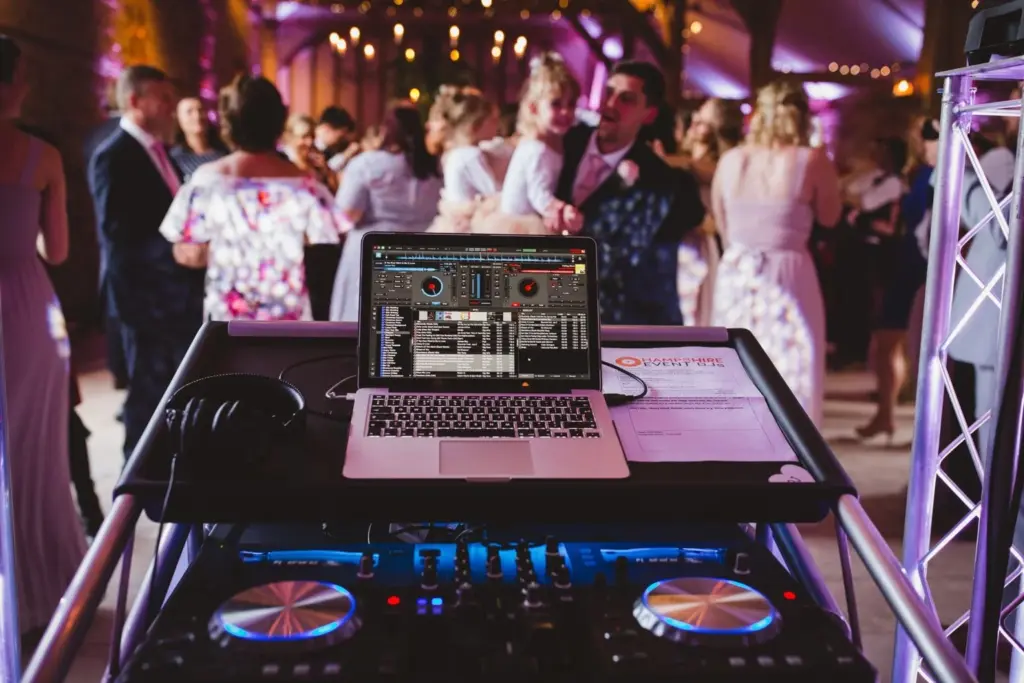
Plan a Wedding Reception Music Timeline That Keeps the Celebration Flowing
A good wedding reception music timeline balances your personal song choices, your guests’ tastes, the event schedule and smooth transitions. Match the music to each moment, and the whole night feels effortless.
If you are planning a wedding in the Portland area, Portland DJ Dan Weisman would be glad to help with your wedding reception songs, timeline and MC needs.
Make Your Portland Wedding Reception Unforgettable
Your wedding reception deserves music that reflects your personality and keeps your guests engaged. Portland DJ Dan Weisman offers personalized wedding DJ services, music planning and MC coordination to help bring your celebration together.
Get in touch to discuss your wedding reception timeline, favorite songs and entertainment preferences.
Frequently Asked Questions
What Is the Correct Order of Songs at a Wedding Reception?
A common sequence is guest arrival, cocktail hour, grand entrance, first dance, dinner, speeches, parent dances, open dancing, cake cutting and the last dance. You can rearrange the order to fit your preferences and venue schedule.
When Should the First Dance Happen at a Wedding Reception?
You can have the first dance right after the grand entrance or after dinner. The best timing depends on your preferences, your dinner service, and the evening’s overall schedule.
What Songs Should You Play During Wedding Dinner?
Soft pop, acoustic, jazz, instrumental and soul music work well. Dinner music should stay in the background so guests can talk comfortably at their tables.
How Many Songs Do You Need for a Wedding Reception?
It depends on reception length, song lengths, special moments and how much open dancing you plan. Prepare a prioritized playlist for key moments and let your DJ build the rest.
How Long Should Wedding Reception Dancing Last?
Dancing time depends on your schedule, your guests and venue rules. Leave enough room after formal activities so open dancing has time to build.
Should You Give Your Wedding DJ a Playlist?
Yes, give your DJ must-play songs, do-not-play requests and your general preferences. A DJ can use those details to build a suitable playlist while adapting to the room.
When Should Parent Dances Happen?
Parent dances commonly follow dinner and speeches, before open dancing. You can move or combine them depending on your schedule.
Can a Wedding DJ Help Create a Reception Music Timeline?
Yes. A professional DJ organizes song cues, introductions, special dances, announcements and transitions. Portland DJ Dan Weisman helps Portland couples plan their reception music and timeline.